An Afternoon in Aranjuez
Under an hour south, the Bourbons’ spring retreat runs a river-fed royal landscape — palace, fountains, and gardens the UNESCO list calls a cultural landscape — with a seasonal steam train and strawberries as the court’s old souvenir.
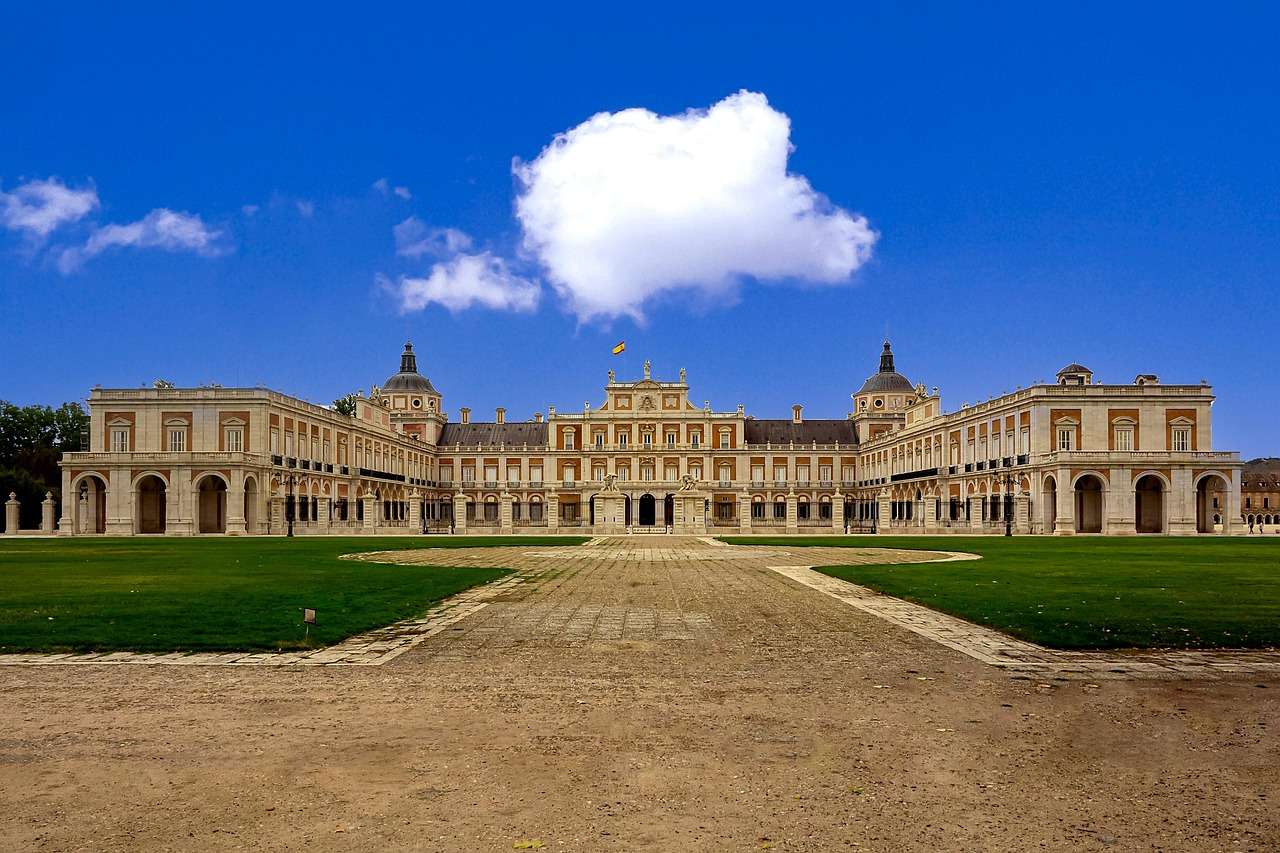
The short version
- Cercanías line C-3 runs Atocha to Aranjuez in about 45 minutes at commuter fares and frequency — renfe.com — with the station a ten-minute tree-lined walk from the palace.
- The Tren de la Fresa — the Strawberry Train — runs select spring and autumn weekends with period carriages, staff in costume, and strawberries served aboard: Spain’s oldest heritage-rail ceremony on the country’s second-ever rail line (1851), booked ahead in its short seasons.
- The Royal Palace ticket runs the state rooms’ Bourbon parade — porcelain room included — through tickets.patrimonionacional.es, with the Monday closure per the alarm and the free-window patterns for EU visitors worth checking on the same site.
- The gardens are the free half the alarm promised: the Parterre and Island gardens at the palace’s edge and the vast Jardín del Príncipe running kilometers along the Tagus — fountains, plane avenues, and the river doing the estate’s original work.
- The Casa del Labrador — the ‘Laborer’s Cottage’ that is nothing of the kind, a jewel-box neoclassical pavilion at the Príncipe garden’s far end — visits on its own reserved ticket for the completists.
- The strawberry-and-asparagus season (spring) is the town’s produce identity per the alarm’s court-dish clause — fresón con nata at the terrace cafés — and the UNESCO cultural-landscape listing covers the whole ensemble: palace, gardens, orchards, and town grid together.

Getting there
The C-3 makes this the easiest royal site on Madrid’s card — turn up, ride, walk the avenue. The Strawberry Train per the alarm is the ceremonial alternative: dated departures, period stock, and the fruit served en route, sold as an experience and priced like one; its short calendar sells out early, so the booking comes first. Drivers park easily by the gardens. The palace’s Monday closure reshapes but doesn’t cancel the trip — the gardens, river, and town run seven days.
The day
Palace first on its open days: the state rooms’ hour — throne room, the porcelain cabinet’s full Rococo commitment, the Bourbon portrait march — then out into the free half. The Parterre’s fountains frame the facade; the Island garden floats its box hedges in the river’s split channel; and the Jardín del Príncipe absorbs the rest of the morning at whatever depth your legs offer, with the Casa del Labrador’s reserved visit as the far anchor for those who booked it. Lunch in town runs the strawberry clause in season and roast-and-asparagus menus year-round. The afternoon closes the loop along the Tagus — the falls by the palace, the rental boats in season, and the plane-tree avenues the Bourbons planted for exactly this hour. The C-3 home never needs a plan.
When to go
April through June is the garden-and-strawberry peak — the fountains run, the beds perform, and the Strawberry Train’s spring calendar operates. September–October repeats the temperatures with autumn light and the train’s second season. High summer bakes the plain (the gardens’ shade carries it, mornings win); winter strips the gardens but leaves palace and town intact. Mondays, per the alarm, belong to the gardens alone — a legitimate, free, and quieter version of the whole trip.
Frequently Asked Questions
Is the Strawberry Train worth it over the C-3?
As ceremony, yes; as transport, no — it’s slower, dated, and costs multiples of the commuter fare, which is the point: period carriages, costumed staff, strawberries aboard, and a package that usually folds in the palace ticket. Families and rail romantics book it; everyone else takes the C-3 and spends the difference on lunch.
What’s actually in the palace?
A compact Bourbon showcase — throne and state rooms, the porcelain room’s astonishing walls, the Moorish-styled smoking room — at a gentler scale than Madrid’s Royal Palace. An hour covers it well. The porcelain room alone justifies the ticket for decorative-arts people.
Are the gardens really free?
Fully — Parterre, Island, and the entire Jardín del Príncipe, open daily on daylight-ish hours. Only the Casa del Labrador inside the Príncipe garden takes a ticket. It’s among the best free landscape days in the Madrid region, per the alarm’s half-the-argument claim.
When exactly is strawberry season?
Roughly April into June, with the terraces’ fresón con nata as the format and the town’s market as the source. The court history is real — Aranjuez strawberries were the royal table’s spring event — and the modern crop keeps the name honest. Outside the season, the dessert menus improvise.
Aranjuez or El Escorial from Madrid?
El Escorial (documented on this network) for granite majesty and the pantheon’s weight; Aranjuez for rivers, gardens, and Bourbon lightness. Monument versus landscape — and with the C-3 and its sibling lines, ambitious weeks do both without a car.